在Python开发中,经常会遇到需要处理重复数据、进行集合运算或快速判断元素是否存在的场景。比如在上位机开发中处理传感器数据去重,或者在数据分析时需要找出两个数据集的交集、并集等。今天我们就来深入探讨Python集合(set)的强大功能,从基础概念到实战应用,让你彻底掌握这个高效的数据结构。无论你是刚接触Python编程技巧的新手,还是想要提升代码性能的开发者,这篇文章都将为你提供实用的解决方案。
🎯 什么是Python集合?为什么要用它?
问题分析
在实际Python开发中,我们经常遇到以下问题:
- 列表中有大量重复数据需要去重
- 需要快速判断某个元素是否存在于大量数据中
- 要对两个数据集进行交集、并集、差集运算
- 需要一个高性能的数据结构来存储唯一值
解决方案
Python的集合(set)正是为解决这些问题而生的数据结构,它具有以下特点:
- 唯一性:自动去除重复元素
- 无序性:元素没有固定顺序
- 可变性:可以动态添加和删除元素
- 高效性:查找、添加、删除操作的时间复杂度都是O(1)
🔥 集合的创建与基本操作
创建集合的多种方式
Python# 方式1:使用花括号创建
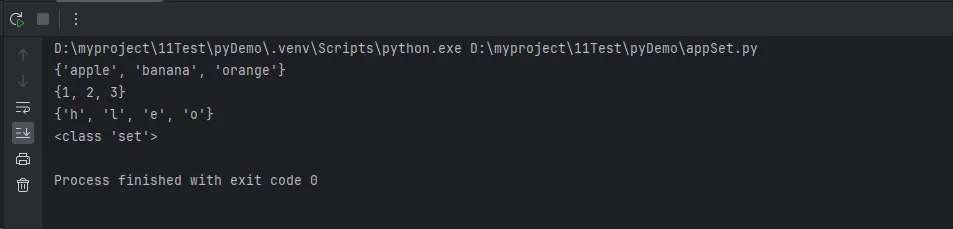
fruits = {'apple', 'banana', 'orange', 'apple'}  # 重复的'apple'会被自动去除
print(fruits)

# 方式2:使用set()函数
numbers = set([1, 2, 3, 2, 1])
print(numbers)  # {1, 2, 3}

# 方式3:从字符串创建
chars = set('hello')
print(chars)

# 方式4:创建空集合(注意不能用{},那是字典)
empty_set = set()
print(type(empty_set))
作为一名C#开发者,你是否曾想过尝试Java开发,却被复杂的环境搭建步骤劝退?与C#的Visual Studio一站式体验不同,Java的开发环境需要我们手动配置JDK、选择IDE、熟悉构建工具。不用担心,本文将以C#开发者的视角,用最实用的方式带你快速搭建Java开发环境,让你在30分钟内写出第一个Java程序。无论你是想拓展技术栈,还是项目需要,这篇文章都能让你轻松上手Java开发。
🎯 为什么Java环境搭建对C#开发者是个挑战?
对于习惯了C#开发的我们来说,Java环境搭建确实存在几个痛点:
1. 概念差异大
- C#:.NET Framework/Core自带运行时,Visual Studio集成一切
- Java:需要单独安装JDK,IDE和构建工具分离(这块可能是新转型最不好接受的)
2. 版本选择困难
- JDK版本众多(8、11、17、21),每个都有不同特性
- IDE选择多样(IntelliJ IDEA、Eclipse、NetBeans)
3. 配置复杂
- 环境变量配置(JAVA_HOME、PATH)
- 构建工具学习成本(Maven vs Gradle)
Python Complete Guide to INI Configuration File Handling: Make Your App Configuration Management More Elegant
In Python development on the Windows platform, we often need to deal with various configuration files. Whether it's a desktop application, automation script, or HMI program, proper configuration management is key to project success. Today we'll dive into the most classic configuration file format in Python — the INI file — and its read/write operations. This article starts from real development needs and, through rich code examples, helps you master all INI file handling techniques to easily handle various configuration management scenarios.
🤔 Why Choose INI Configuration Files?
Among many configuration file formats, INI files have unique advantages:
Clear structure: Use sections and key-value pairs; even non-technical users can easily understand it
Strong compatibility: Native support on Windows; many legacy applications use this format
Good readability: Plain text format, supports comments, easy to maintain and debug
A typical INI file structure:
Ini; 这是注释
[database]
host = localhost
port = 3306
username = admin
password = 123456

[logging]
level = INFO
file_path = ./logs/app.log
max_size = 10MB
🛠️ Python Built-in Tool: configparser Module
The Python standard library provides the configparser module, the first-choice tool for handling INI files. Let's start from basic usage:
📖 Reading INI Configuration Files
Pythonimport configparser

def read_config():
    # Create ConfigParser object
    config = configparser.ConfigParser()

    # Read configuration file
    config.read('config.ini', encoding='utf-8')

    # Get all section names
    sections = config.sections()
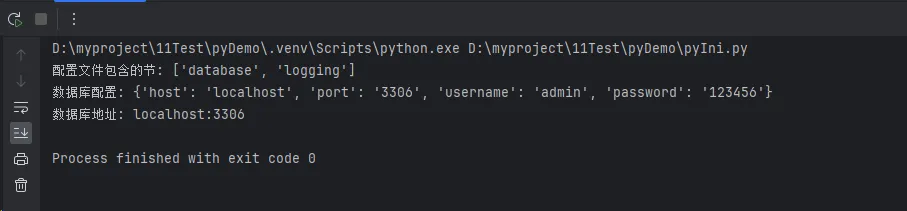
    print(f"配置文件包含的节: {sections}")

    # Read all key-value pairs of a specific section
    db_config = dict(config['database'])
    print(f"数据库配置: {db_config}")

    # Read specific configuration items
    host = config.get('database', 'host')
    port = config.getint('database', 'port')  # Automatically converted to int

    print(f"数据库地址: {host}:{port}")

    return config

# Usage example
if __name__ == "__main__":
    config = read_config()
在Windows平台的Python开发中,我们经常需要处理各种配置文件。无论是桌面应用、自动化脚本还是上位机程序,合理的配置管理都是项目成功的关键。今天就来深入探讨Python中最经典的配置文件格式——ini文件的读写操作。本文将从实际开发需求出发,通过丰富的代码示例,让你掌握ini文件操作的所有技巧,轻松应对各种配置管理场景。
🤔 为什么选择ini配置文件?
在众多配置文件格式中,ini文件有着独特的优势:
结构清晰:采用节(section)和键值对的层次结构,即使非技术人员也能轻松理解
兼容性强:Windows系统原生支持,许多传统软件都使用这种格式
可读性好:纯文本格式,支持注释,便于维护和调试
典型的ini文件结构如下:
Ini; 这是注释
[database]
host = localhost
port = 3306
username = admin
password = 123456

[logging]
level = INFO
file_path = ./logs/app.log
max_size = 10MB
🛠️ Python内置工具:configparser模块
Python标准库提供了configparser模块,这是处理ini文件的首选工具。让我们从基础用法开始:
📖 读取ini配置文件
Pythonimport configparser

def read_config():
    # 创建ConfigParser对象
    config = configparser.ConfigParser()

    # 读取配置文件
    config.read('config.ini', encoding='utf-8')

    # 获取所有节名
    sections = config.sections()
    print(f"配置文件包含的节: {sections}")

    # 读取特定节的所有键值对
    db_config = dict(config['database'])
    print(f"数据库配置: {db_config}")

    # 读取具体的配置项
    host = config.get('database', 'host')
    port = config.getint('database', 'port')  # 自动转换为整数

    print(f"数据库地址: {host}:{port}")

    return config

# 使用示例
if __name__ == "__main__":
    config = read_config()
In Python development, environment variables are a concept that is both important and easily overlooked. Whether configuring database connections, API keys, or distinguishing between development and production environments, environment variables play a crucial role. However, many developers' operations with environment variables remain at a basic level, lacking systematic understanding and practical skills.
This article will take you deep into the methods of reading environment variables in Python, from basic operations to advanced techniques, and then to practical project applications, allowing you to thoroughly master this important programming skill. Whether you are a Python beginner or an experienced developer, you can gain practical knowledge and best practices from this.
🔍 Problem Analysis
What are Environment Variables?
Environment variables are dynamic named values used in operating systems to store system configuration information. In Python development, we commonly use environment variables to:
- Configuration Management: Store sensitive information such as database connection strings, API keys
- Environment Distinction: Differentiate between development, testing, and production environments
- Dynamic Configuration: Adjust program behavior without modifying code
- Security: Avoid hardcoding sensitive information in code
Characteristics of Windows Environment Variables
In Windows systems, environment variables have the following characteristics:
- Case-insensitive (but uppercase is recommended)
- Can be set through command line, system settings, or programmatically
- Divided into system-level and user-level scopes
💡 Solutions
🌟 Solution 1: Using os Module (Basic Method)
The os module is the basic tool for handling environment variables in Python's standard library:
Pythonimport os

# Read environment variables
def get_env_basic():
    # Method 1: Direct reading, will raise KeyError if not exists
    try:
        db_host = os.environ['DB_HOST']
        print(f"Database Host: {db_host}")
    except KeyError:
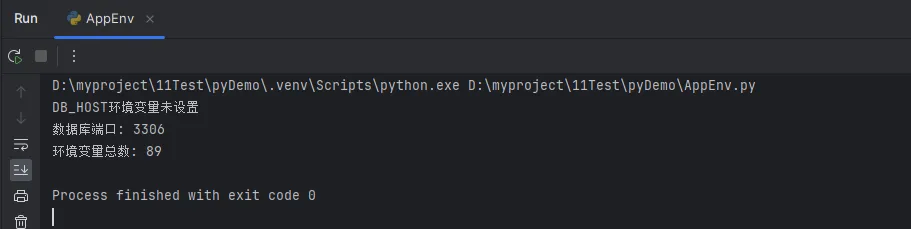
        print("DB_HOST environment variable not set")

    # Method 2: Use get method, provide default value
    db_port = os.environ.get('DB_PORT', '3306')
    print(f"Database Port: {db_port}")

    # Method 3: Get all environment variables
    all_env = os.environ
    print(f"Total environment variables: {len(all_env)}")